

Choosing the right fitness tracker starts with clearly understanding personal goals—whether losing weight, building endurance, or gaining strength. For outdoor runs or cycling, look for models with GPS and pace tracking, while strength workouts benefit from reps and sets monitoring. Budget matters too; basic devices track steps and sleep, but advanced ones add features like GPS and heart rate sensors. Matching the device to activities and ecosystem ensures smooth use and data sharing. Continue exploring to find tips on accuracy, battery life, and brand support.
How to Identify Your Primary Fitness Goals
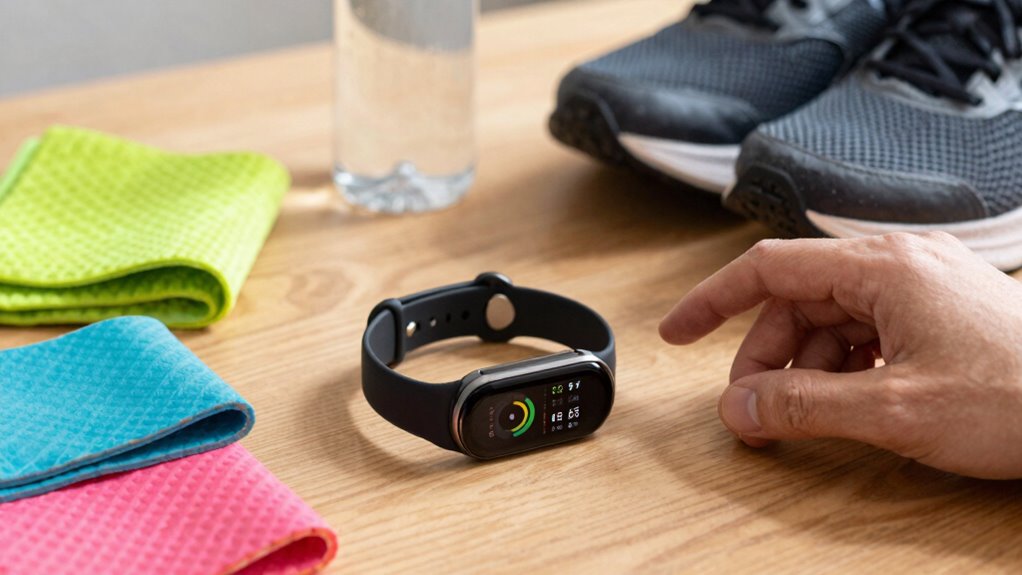
Have you ever wondered how to pick the right fitness tracker for your needs?
Your primary goals are the starting point. Whether you’re aiming to lose weight, build endurance, or strengthen muscles, knowing this helps identify the right metrics to focus on.
For example, if your goal is cardio endurance, activity tracking features like pace, distance, and route are essential.
If strength training is your focus, look for trackers that monitor specific metrics like reps or sets.
Consider whether you need GPS for outdoor activities or sleep tracking for rest improvement.
Understanding your main objectives helps narrow down options, ensuring the device offers relevant data without overwhelming you with unnecessary features.
Balancing your goals with your budget and lifestyle makes choosing a fitness tracker much easier and more effective.
What Features Matter Most for Your Fitness Routine?
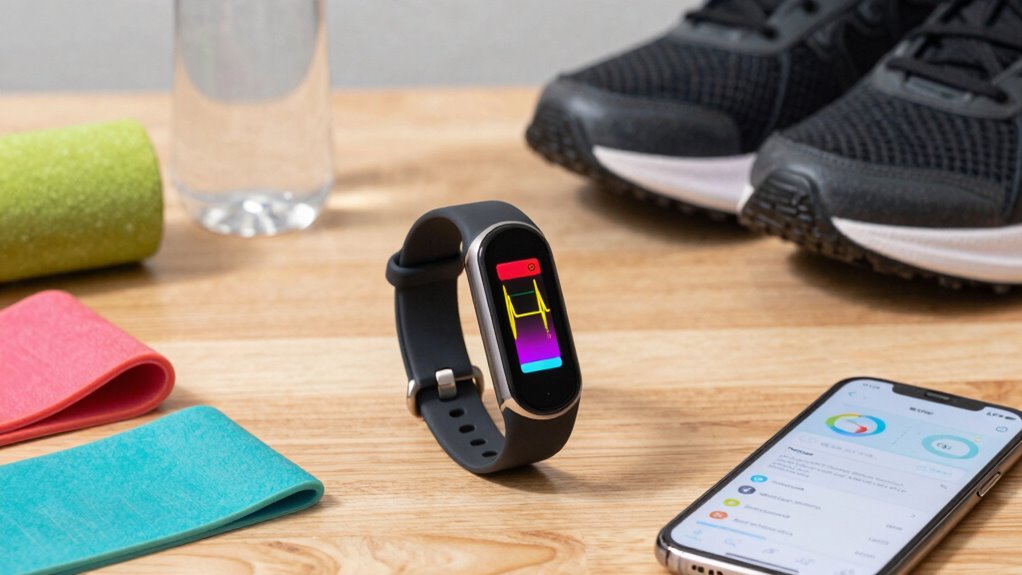
Choosing the right features for a fitness tracker depends largely on the specific routines and goals a person has in mind. For example, if tracking distance or pace during runs or bike rides is important, a GPS-enabled model is essential. Heart rate monitoring helps assess workout intensity and overall fitness progress. Battery life is also a key factor; advanced features like GPS and color displays often reduce how long a device lasts between charges. Comfort matters too—wear style influences consistency and data accuracy.
Lastly, compatibility with apps like Strava or MyFitnessPal ensures seamless data sharing. Consider these features carefully to match your routine and goals, whether it’s weight loss, endurance, or strength training, so your tracker becomes a helpful partner in reaching your fitness aspirations.
- GPS for distance and pace
- Heart rate monitoring for intensity
- Battery life for longer use
- Compatibility with fitness apps
Recommended Products
Fitbit Charge 2 Heart Rate + Fitness Wristband
Check each seller's condition and delivery.
Which Device Type Best Supports Your Activities?
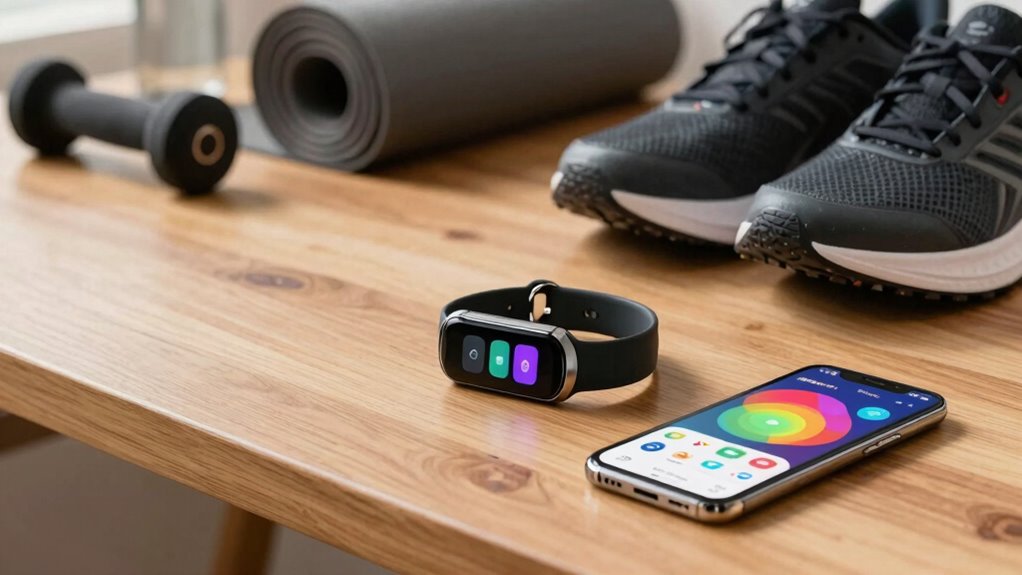
When it comes to supporting specific activities, the device type can make a big difference in how well it suits your needs. A fitness tracker by activity is ideal if you focus on specific sports like running, swimming, or cycling. For example, dedicated running watches often outperform all-in-one trackers for pace and route data, especially with activity-specific metrics that measure speed, distance, and heart rate precisely.
GPS fitness devices are perfect for outdoor activities since they track your routes and provide accurate navigation. Cyclists may prefer bike computers with specialized metrics like cadence and power output. For swimming, waterproof trackers with activity-specific metrics help monitor laps and strokes.
Choosing the right device depends on matching its features to your main activities, ensuring you get the most accurate and helpful data.
Recommended Products
How to Determine the Right Budget and Ecosystem Compatibility
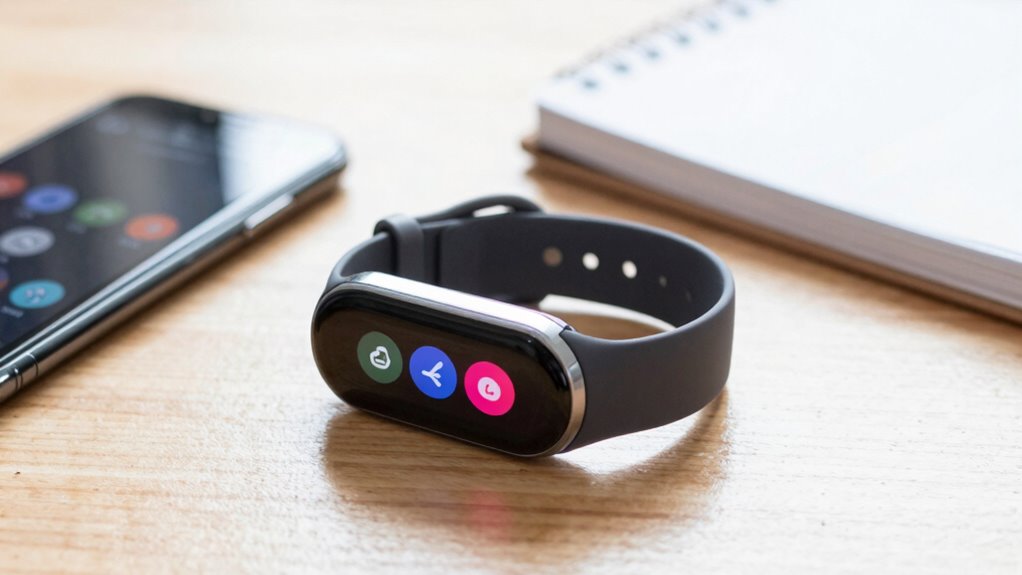
Figuring out the right budget for a fitness tracker can feel like balancing on a tightrope, many options exist, each with different features and price tags. To find a good fit, consider how much you’re willing to spend versus what features you truly need. Cheaper models often cover basics like steps and sleep, while pricier options offer GPS, advanced metrics, or longer battery life.
It’s also important to think about ecosystem compatibility: how well the device works with your existing tech. For example, Apple users might prefer an Apple Watch, while Android users may lean toward Fitbit or Samsung. Balancing price versus features helps ensure the device fits your goals and budget without sacrificing essential capabilities. This approach makes choosing a fitness tracker more straightforward and satisfying.
Recommended Products
When to Choose a Basic or Purpose-Built Device
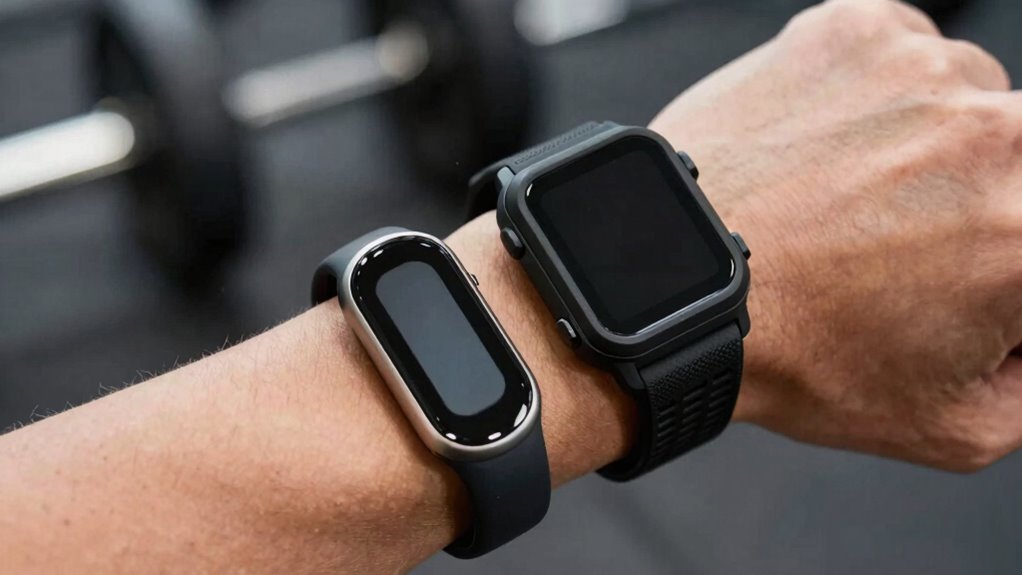
Have you ever wondered if a simple device might do the trick better than a fancy, all-in-one tracker? For those mainly interested in counting steps, tracking time, or monitoring basic activity, a basic device like a pedometer or running watch could be ideal. These offer focused metrics without extra features that increase cost or drain batteries.
For example, consider this table:
| Purpose | Device Type | Best Use Case |
|---|---|---|
| General activity tracking | Basic device (pedometer) | Daily step counting |
| Sport-specific metrics | Purpose-built device (cycling) | Precise sport data |
| Navigation or route tracking | Handheld GPS units | Accurate route mapping |
Choosing a purpose-built device enhances accuracy for specialized activities, while a basic device suits simple needs at a lower price.
How to Evaluate Fitness Tracker Accuracy and Battery Life
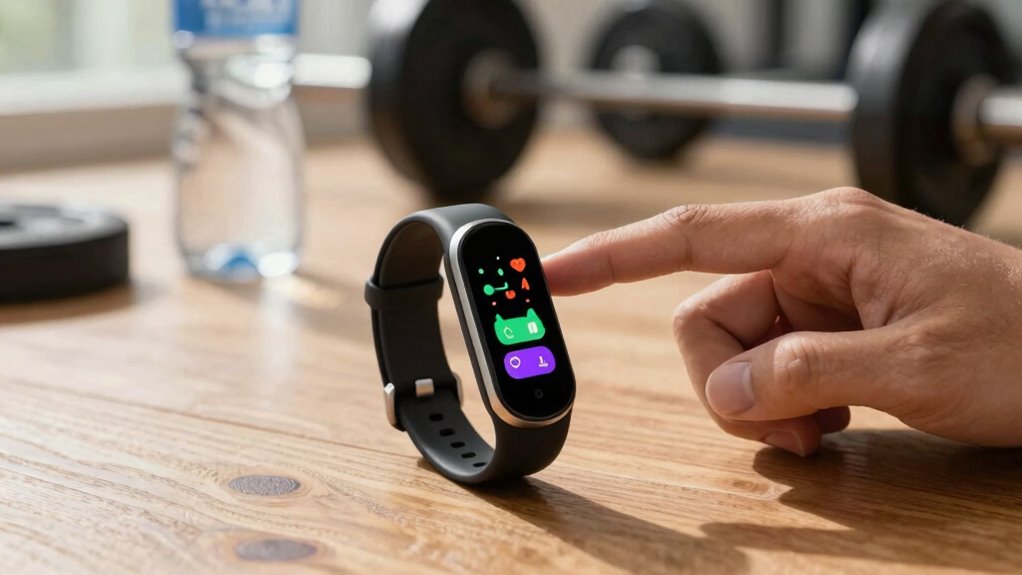
Choosing the right fitness tracker involves more than just features; understanding how accurate its data is and how long the battery lasts is equally important. High-end models with GPS and heart rate monitors tend to drain power faster, while basic fitness trackers offer longer battery life with fewer sensors. For example, GPS-enabled devices provide precise mileage and elevation data, which is crucial for runners or cyclists.
Wrist-based heart rate monitors are common, but chest straps often give more accurate readings during intense workouts. Modes for activities like swimming or skiing can affect both data detail and battery use. To evaluate, consider options like exercise tracker printable free or fitness tracker printable guides. Look for models with battery-saving modes or solar charging, especially if long endurance matters.
Tips for Comparing Brands, Apps, and User Support
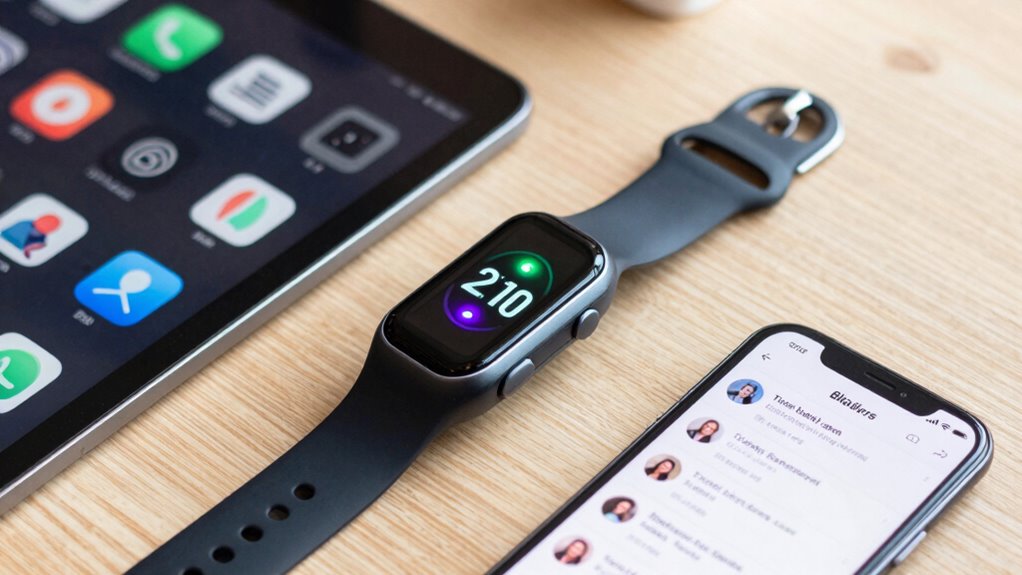
When comparing different fitness tracker brands, it’s important to think about not just the device itself but also the accompanying apps and overall user support.
A good app should provide clear data analysis, such as GPS for distance, heart rate zones, or sleep insights, that help users understand their progress.
It’s also helpful to consider the brand ecosystem—whether it’s Apple, Fitbit, Garmin, or Samsung—and how well the app supports third-party services like Strava or MyFitnessPal.
Compatibility matters too—making sure the app works smoothly with either iOS or Android.
Additionally, reliable customer support can make a big difference if problems arise or updates are needed.
Balancing these factors ensures that the tracker fits seamlessly into daily life and helps users stay motivated on their fitness journey.