

Choosing the right home security camera involves balancing features like resolution, weather resistance, power sources, and placement. For clear visuals, look for HD or 4K quality, with HDR for glare. Decide between indoor or outdoor cameras based on their durability. Consider wired options for continuous power or wireless models for flexibility. Think about coverage—entry points and wide angles help. Security your data with encryption and privacy zones. Explore these tips further to find the perfect setup for your home.
What Features Should You Prioritize in a Home Security Camera?
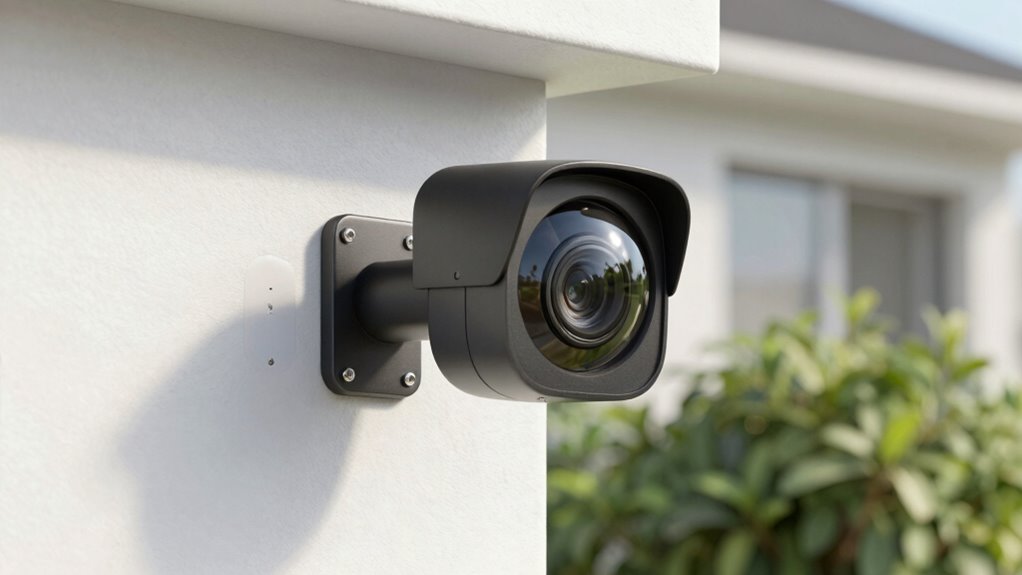
What should homeowners really look for when choosing a security camera? First, consider the CCTV camera design. Look for models with clear resolution, ideally HD 1080p or higher, to capture detailed footage. Newer models offer 2K or 4K quality, giving sharper images. HDR is also important to reduce glare and shadows, ensuring clear visuals even in tricky lighting.
AI features, like person detection and activity zones, help cut down false alarms from animals or passing cars. Storage options matter too—decide between local storage, such as DVRs or microSD cards, and cloud plans, which often start around $5–$12 a month. Finally, check the camera’s power and connectivity, ensuring it fits your home’s needs—wired or wireless, Wi-Fi or cellular.
How Do You Match Camera Types to Your Home Environment?
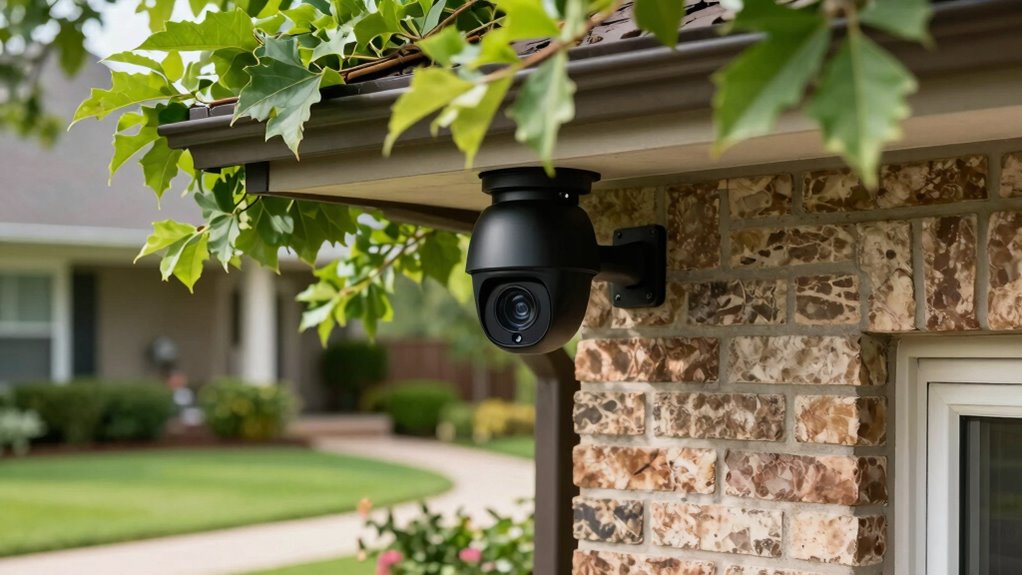
Matching the right camera type to a home’s environment is essential for effective security without unnecessary hassle. For example, cámaras de seguridad designed for indoor use are best placed inside to fill coverage gaps in living rooms or hallways. Outdoor cameras should be weather-resistant and positioned at ground-floor entrances to maximize their surveillance view.
Wireless, battery-powered options offer flexibility, especially when outlets aren’t nearby, but they need recharging. Wired cameras provide constant power and are suitable for areas where consistent coverage is needed. When selecting a security camera, consider the size of the space and the camera’s field of view—wide-angle lenses, at least 120°, are ideal for larger rooms or entryways. Proper matching ensures reliable security without unnecessary complications.
What Are the Key Factors in Choosing Camera Power, Connectivity, and Storage?
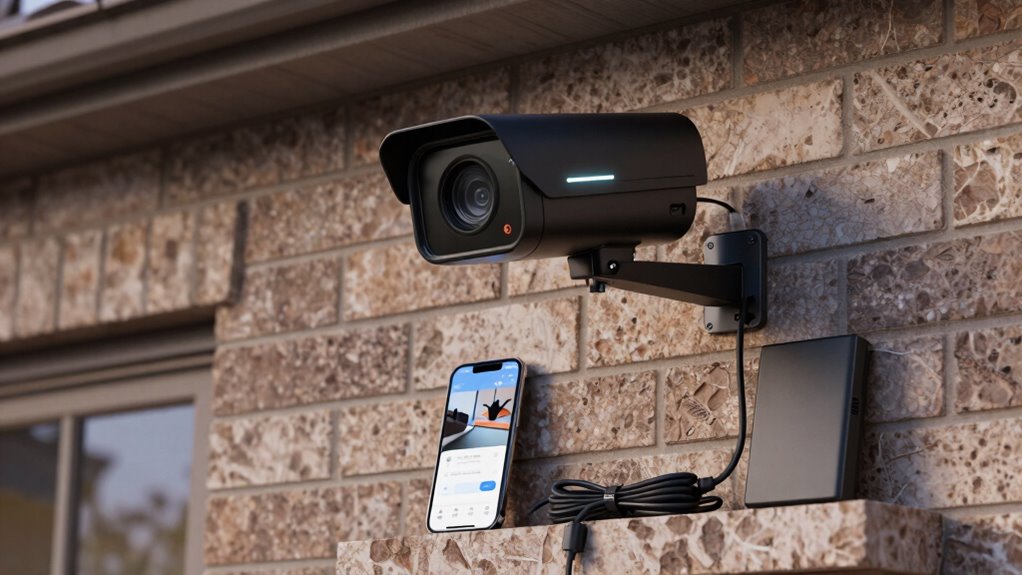
Choosing the right surveillance camera involves more than just picking the right location; it also depends on how the camera gets its power, connects to the internet, and stores footage. Power options include wired cameras, which need a constant power source through a plug or wiring, and wireless or battery-powered models that require periodic battery changes. Some even come with solar charging.
Connectivity is crucial. Wi-Fi cameras allow remote viewing and alerts, while non-Wi-Fi options store footage locally on SD cards or NVRs/DVRs. Storage choices matter too. Local storage works independently of internet issues, but cloud storage offers remote access with possible subscription fees.
Additionally, consider battery life, maintenance needs, and compatibility with existing smart home systems for a smooth setup.
How Do You Determine the Right Camera Placement and Coverage?
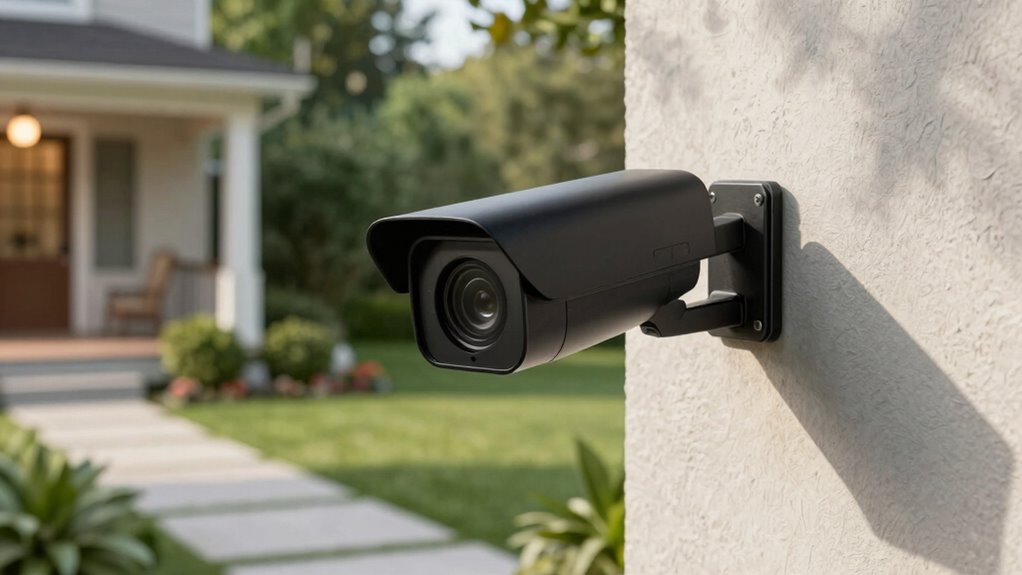
Determining the best placement for surveillance cameras involves thoughtful planning and a good understanding of the areas that need monitoring most. For example, placing at least one camera at the main ground-floor entrance helps identify visitors and potential intruders.
Outdoor cameras should cover all ground-floor entry points for comprehensive protection. It’s important to respect privacy by avoiding placement inside bedrooms or bathrooms.
For renters without outdoor outlets, wireless or battery-powered cameras, like the MagCam C425, offer flexibility within Wi-Fi range. When positioning cameras, aim for a wide field of view—between 120 and 180 degrees—and consider models with pan or tilt features to maximize coverage.
Also, balance placement with power and Wi-Fi needs, ensuring cameras are near outlets or strong signals, all while following local laws.
What Privacy and Security Considerations Should You Keep in Mind?
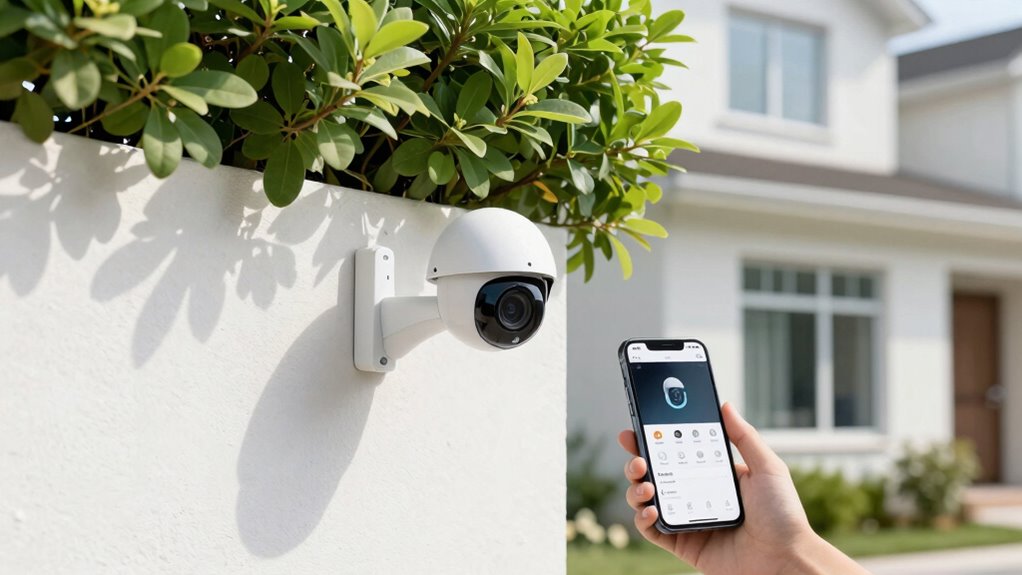
When planning to install surveillance cameras, considering privacy and security is just as important as choosing the right placement. Cameras should have strong protections like two-factor authentication and data access controls to prevent unauthorized viewing. Storage options matter: local devices like DVRs or SD cards keep data in-house, while cloud storage offers remote access and AI features but may raise privacy concerns. Use cameras with encryption and security practices that prioritize user safety.
Proper placement avoids private areas such as bedrooms and bathrooms; enabling arming modes can limit recording during personal times. Always check local laws about where and when cameras can record to stay compliant.
| Privacy Feature | Security Practice |
|---|---|
| Data encryption | Strong password protection |
| Disable constant recording | Regular software updates |
| Privacy zones | Vendor security audits |
| Local storage options | Two-factor authentication |
| Law compliance checks | Secure network setup |