

A reading tracker can be a useful tool when paired with clear goals. It helps identify habits, set targets, and stay motivated. Using apps like Goodreads or simply keeping a journal makes tracking easy and personalized. However, over-focusing on numbers can take the fun out of enjoying books. Finding a balanced method that fits one’s style keeps the process enjoyable. Curious to learn how to choose the perfect tracker? Keep exploring for more helpful insights.
Understanding How Tracking Supports Your Reading Goals

Have you ever wondered how tracking your reading habits can actually help you reach your goals? When people keep track of what they read, it becomes easier to set clear reading goals, like finishing a certain number of books each month or exploring new genres. Tracking habits—whether through a simple journal or digital platforms like Goodreads—helps identify patterns, such as favorite authors or preferred topics.
This ongoing process encourages reflection and insights, allowing readers to see which books resonate most or which ones might need more attention. Regular updates reveal trends, guiding future choices and helping celebrate achievements. Overall, tracking makes reading more intentional, turning a casual activity into a purposeful journey toward building stronger long-term reading habits.
Recommended Products
Exploring Different Methods to Track Your Reading Progress
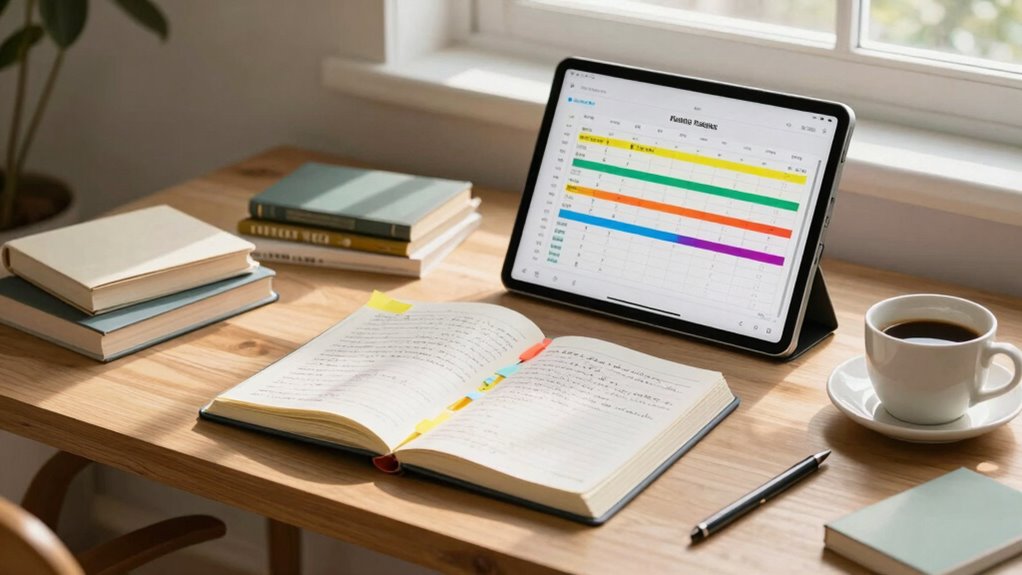
Curious about the best ways to keep track of reading progress? A reading tracker can take many forms, depending on personal preferences and goals.
Popular tracking methods include online platforms like Goodreads, which offers goal-setting, discussion groups, and easy access via apps or websites. LibraryThing adds extra stats, such as object-height comparisons, providing more detailed insights. Some prefer traditional methods like journals, spreadsheets, or pen-and-paper logs. These support reflection or precise documentation.
Others combine both approaches for flexibility, creating a mixed method that suits their lifestyle and reading goals. The choice of tracking method influences the reading experience, from simple book counts to in-depth analytics. Exploring different options helps readers find the most motivating and effective way to monitor their progress.
Recommended Products
Beautiful Reading Journal for Book Lovers - Sturdy Hard Cover Tracker
Check each seller's condition and delivery.
SIMVIA Reading Journal - Elegant Book Journal Reading Log for Reviews and Progress Tracking - Thoughtful Gift for Books Lovers & Readers - 110 Book Reviews (Ocean Blue)
Check each seller's condition and delivery.
Assessing When Tracking Is Most Beneficial for Motivation and Growth
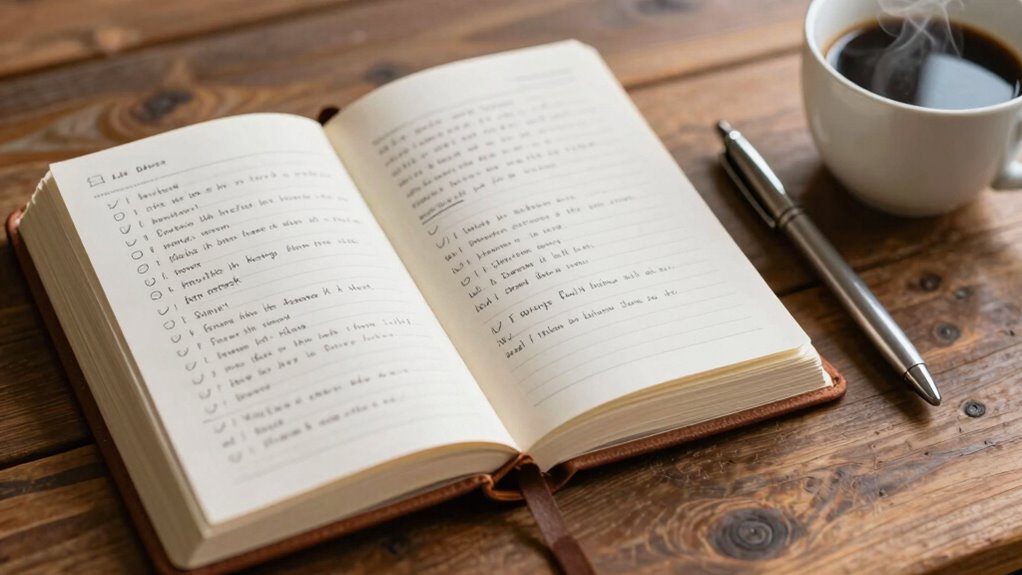
Evaluating when tracking becomes most beneficial can help readers make the most of their efforts without feeling overwhelmed. For example, using a book reading journal or a simple book reading tracker can boost motivation when goals are clear. Bullet journal ideas templates can organize reading data, showing patterns in genres or authors, encouraging diverse choices.
Long-term habit formation benefits from tangible reminders, like yearly Goodreads goals, which foster satisfaction when milestones are reached. However, overemphasizing numbers might reduce enjoyment—balancing tracking with leisure is key. The table below highlights situations where tracking enhances motivation and growth:
| When Tracking Is Most Helpful | Why It Works |
|---|---|
| Setting clear goals | Provides focus and measurable progress |
| Reflecting on patterns | Encourages exploration of new genres or authors |
| Celebrating milestones | Boosts motivation through tangible achievements |
| Monitoring long-term habits | Reinforces consistent reading routines |
| Analyzing data trends | Helps recall and plan rereads or discoveries |
Recognizing Potential Downsides and How to Avoid Them
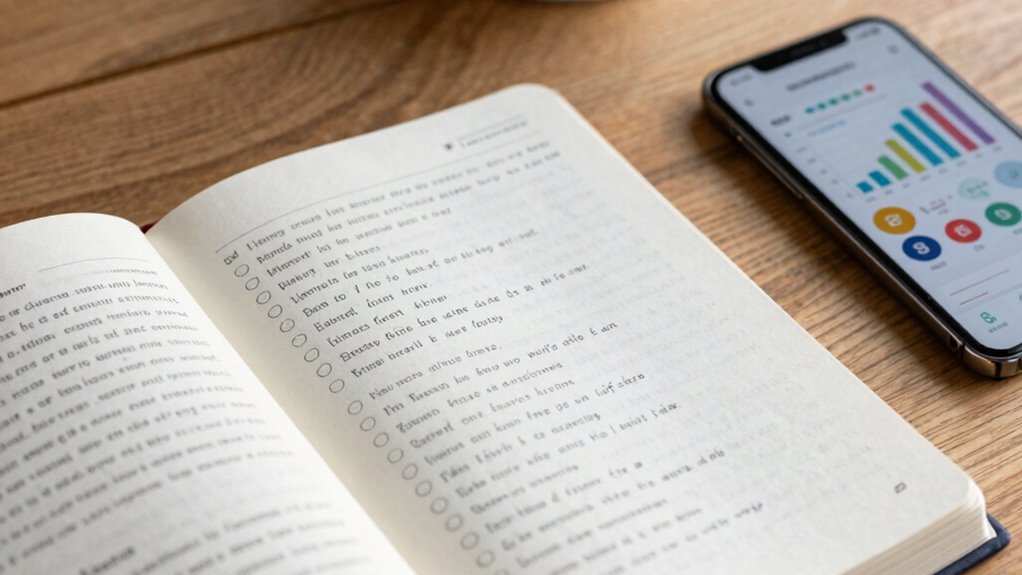
While tracking reading progress can be motivating and help identify patterns, it’s important to recognize that overdoing it might have some unintended downsides. For some, focusing too much on numbers can turn reading into a competition or create goals that feel forced, taking away the simple joy of losing oneself in a good book.
When people become obsessed with tracking, they might also feel disappointed if they don’t meet their targets, which can sap motivation instead of boosting it. Additionally, some readers might find data-driven habits burdensome or uncomfortable, making the process feel more like a chore than an aid.
To avoid these pitfalls, it’s wise to set flexible goals and regularly check in with how tracking affects personal enjoyment. If it’s no longer fun, it’s okay to stop or adjust.
Determining If a Reading Tracker Fits Your Personal Reading Style
Figuring out if a reading tracker suits a person’s unique style can feel like finding the perfect pair of jeans—it’s all about fit. Some readers prefer digital tools like Goodreads or The StoryGraph, which help organize books and encourage reflection. Others favor simple pen-and-paper journals for precise tracking.
If someone enjoys analyzing their reading habits or exploring new genres, a detailed tracker might be motivating. However, if reading is mainly a relaxing escape, tracking could feel burdensome or turn into a competition. The key is choosing a method that aligns with personal goals and makes tracking feel helpful, not like an extra chore.
Ultimately, the right tracker should enhance reading enjoyment and consistency, fitting naturally into individual routines and preferences.
Recommended Products
Reading Log for Book Lovers: A Readers Journal to Track
Check each seller's condition and delivery.