

Our Top 5 Waterproof Headphone Picks
| Runner Diver2 Pro |
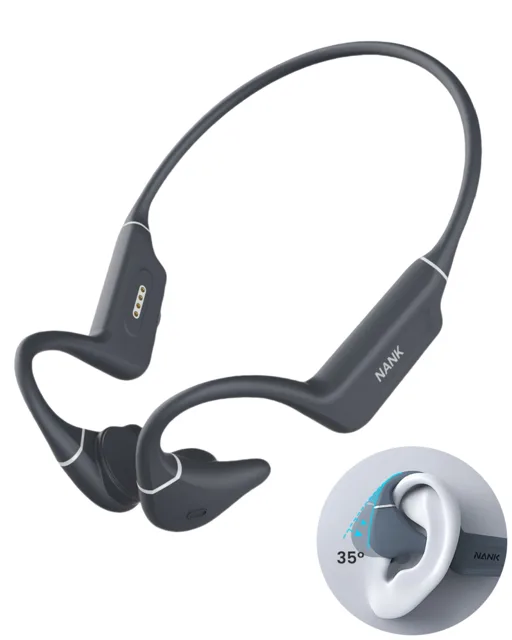
| Top pick | Waterproof Rating: IP69 | Storage: 32GB MP3 | Battery: up to 10 hours | Check price | Read Our Analysis |
| Mojawa Purra Swim bone conduction headphones |
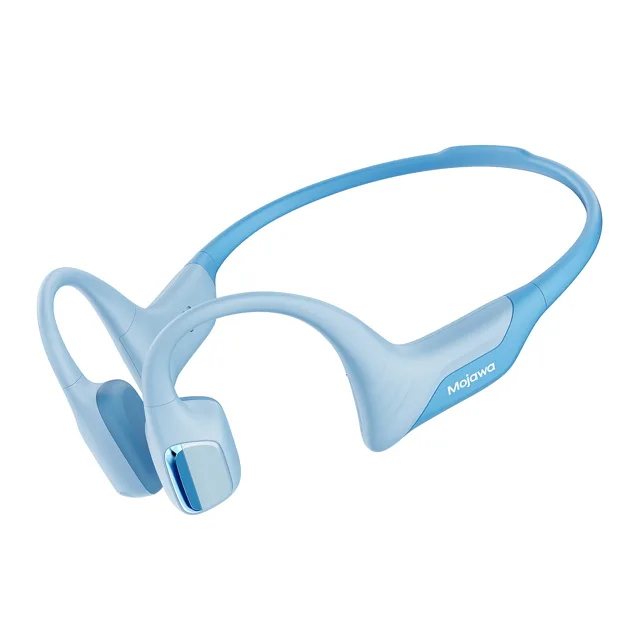
| Long battery life | Waterproof Rating: IP68, to two metres | Storage: 32GB, 8,000+ songs | Battery: up to 15 hours | Check price | Read Our Analysis |
| Mojawa Run Plus bone conduction headphones |
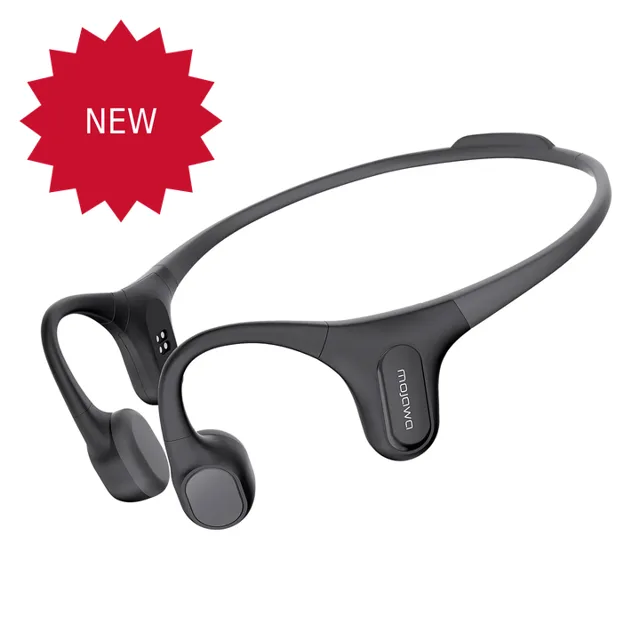
| Lightest frame | Waterproof Rating: IP68 | Storage: 32GB, 8,000+ songs | Battery: 8 hours, five-minute quick charge | Check price | Read Our Analysis |
| Runner Diver2 |
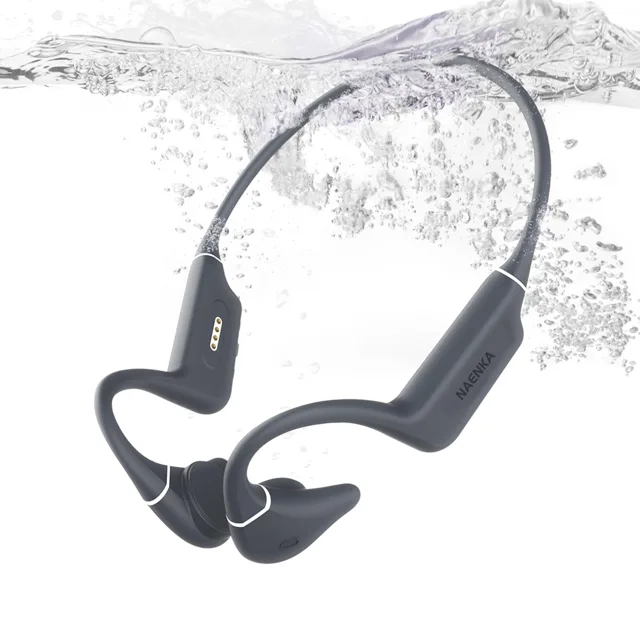
| Best value | Waterproof Rating: IP68 | Storage: 32GB MP3 | Battery: up to 10 hours at 60% volume | Check price | Read Our Analysis |
| Runner 4 |
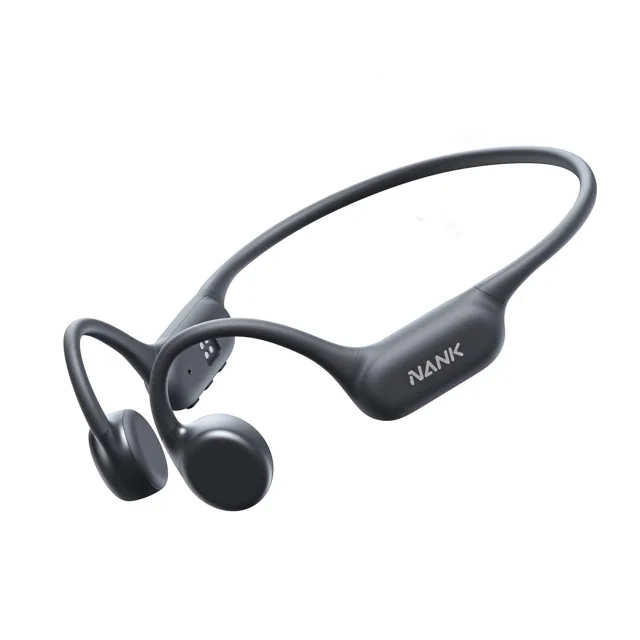
| Best budget | Waterproof Rating: IPX8, fully submersible | Storage: 16GB, 5,000+ songs | Battery: up to 8 hours | Check price | Read Our Analysis |
More Details on Our Top Picks
Runner Diver2 Pro
Nank's Runner Diver2 Pro is a bone conduction headset built for swimming as well as running and cycling. It carries an IP69 rating, the highest of the models here, and the box includes swimming earbuds and a silicone strap.
It holds 32GB of MP3 files and plays for up to 10 hours, with Bluetooth 5.4 for land use and noise-cancelling modes. Nank notes that only its MP3 (TF) mode works underwater. It weighs 32g and can stay paired to two Bluetooth devices at once.
- Waterproof Rating:IP69
- Storage:32GB MP3
- Battery:up to 10 hours
- Bluetooth:5.4
- Weight:32g
- Underwater:MP3/TF mode only
Mojawa Purra Swim bone conduction headphones
Mojawa sells the Purra Swim as a swimming-first bone conduction headset. It is rated IP68 and submersible to two metres, and the open design leaves the ear canals clear.
It has 32GB of built-in storage, which Mojawa says holds more than 8,000 songs, so you can swim without a phone. The maker rates the battery at up to 15 hours and lists pool swimming, open water, water aerobics, surfing and kayaking among its uses.
- Waterproof Rating:IP68, to two metres
- Storage:32GB, 8,000+ songs
- Battery:up to 15 hours
- Design:Bone conduction, open ear
- Use:Pool and open water
Mojawa Run Plus bone conduction headphones
The Mojawa Run Plus is a dual-purpose bone conduction model for swimming and running. It is rated IP68, weighs 29.7g and uses a flexible titanium frame with a dual suspension anchor system that the maker says keeps it secure through strokes and sprints.
Storage is 32GB, enough for 8,000-plus songs, and Mojawa rates playback at 8 hours; a five-minute quick charge adds about 80 minutes. Bluetooth 5.0 handles land listening, while underwater playback comes from the built-in memory.
- Waterproof Rating:IP68
- Storage:32GB, 8,000+ songs
- Battery:8 hours, five-minute quick charge
- Frame:Titanium, 29.7g
- Bluetooth:5.0
Runner Diver2
The Runner Diver2 is the model below the Pro in Nank's swimming range. It is IP68-rated, holds 32GB of MP3 files and plays for up to 10 hours at 60% volume from its 180mAh battery, which charges in about 1.5 hours by magnetic cable.
Bluetooth 5.3 covers everyday listening, and a triple-click switches to MP3 mode for the water. Nank includes swimming earbuds and a sound quality enhancer, and advises rinsing the headphones after pool use.
- Waterproof Rating:IP68
- Storage:32GB MP3
- Battery:up to 10 hours at 60% volume
- Bluetooth:5.3
- Charging:Magnetic, about 1.5 hours
Runner 4
The Nank Runner 4 is the lowest-priced swimming option here. It carries an IPX8 rating for full submersion, weighs 26g and uses Bluetooth 5.4 for land use with a TF card mode for the water.
Built-in storage is 16GB, which Nank says holds more than 5,000 songs. Battery life is rated at up to 8 hours.
- Waterproof Rating:IPX8, fully submersible
- Storage:16GB, 5,000+ songs
- Battery:up to 8 hours
- Bluetooth:5.4
- Weight:26g
Factors to Consider When Choosing Waterproof Headphones for Swimming
Choosing the right waterproof headphones for swimming involves several important factors. From understanding waterproof standards and how well they fit, to what sound quality and battery life to expect, each point affects overall enjoyment and durability.
Considering connectivity options and comfort will help ensure the headphones perform well and feel good during every swim.
Waterproof Standards and Ratings
Ever wonder how to tell if a pair of headphones can survive a plunge into the pool? That’s when waterproof standards and ratings come into play. These ratings, like IP68, IPX8, and IP7X, tell you how well headphones resist water and dust; the Nank Runner Diver2 Pro, for example, is rated IP69, while the Purra Swim is IP68 to two metres.
For swimming, what matters is the depth and duration the maker states for that model, because the rating alone does not set them. Some models use dual or triple sealing to prevent water from seeping in. Keep in mind, underwater use might disable Bluetooth, so MP3 or standalone modes are common.
Always check manufacturer specs to confirm the exact depths and durations the headphones are rated for. Safety first when splashing around!
Fit and Comfort
What makes a pair of waterproof headphones comfortable enough to wear during a swim? Comfort starts with a good fit that stays secure without causing discomfort. Open-ear bone conduction designs are popular because they keep the ears free, reducing pressure and letting swimmers stay aware of their surroundings.
Adjustable headbands, straps, and soft silicone cushions help the headphones mold to different head sizes and fit snugly under swimming caps or goggles. Lightweight enclosures lessen drag and fatigue, so swimmers can focus on their workout.
For added convenience, many models include built-in storage, so you can listen without needing a phone. This makes the experience more enjoyable and less cumbersome.
Sound Quality Expectations
Have you ever wondered why some waterproof headphones sound surprisingly clear underwater while others fall flat? The answer lies in design choices that prioritize sound transmission in challenging environments. For swimming, open-ear bone conduction or underwater MP3 modes are essential because Bluetooth signals often don’t work well underwater.
Headphones with built-in MP3 memory let you listen without a phone, which keeps playback uninterrupted. Driver design also affects underwater clarity and depth of sound.
Additionally, IPX8/IP68 ratings mean the maker has rated the headphones for submersion. Dual-mode systems offer seamless switching between underwater MP3 and land Bluetooth modes, providing a consistent listening experience throughout different swimming phases.
Battery Life Durability
Battery life is one of the most important factors to contemplate when choosing waterproof headphones for swimming, especially for those long training sessions or open-water adventures. Look for a runtime that covers your usual session so you are not recharging between swims. The Mojawa Purra Swim, for example, is rated for up to 15 hours, while most models here list 8 to 10. Fast charging is a bonus if you forget to plug in beforehand.
Since underwater wireless playback isn’t common, many models rely on built-in memory or MP3 mode for standalone music during submersion.
Connectivity Options
When choosing waterproof headphones for swimming, considering their connectivity options is essential because it directly impacts convenience and versatility. Some models offer dual modes: MP3 playback with built-in memory—often 32GB—for underwater listening and Bluetooth for land use. However, Bluetooth usually isn’t supported underwater.
Newer Bluetooth versions generally give a more stable link, and the models here use Bluetooth 5.0 to 5.4 for land listening. Magnetic charging cables are common, making it easy to charge and transfer files. Many models support multi-point pairing, so you can switch between two devices.
Open-ear bone conduction designs keep users aware of their surroundings while swimming. Some of these models function in MP3 mode underwater with Bluetooth disabled.
Ease of Use
Choosing waterproof headphones for swimming isn’t just about sound quality or waterproof ratings; ease of use plays an essential role in making the experience enjoyable and stress-free. Open-ear bone conduction designs are popular because they allow swimmers to stay aware of their surroundings, which is important for safety and comfort. Headphones with built-in MP3 storage mean users can listen to music without needing their phone underwater, simplifying the process.
A reliable underwater mode, which doesn’t rely on Bluetooth, and an easy switch to MP3 mode are key features. These elements make switching between modes feel seamless. Additionally, magnetic charging and simple file transfer make recharging and loading music straightforward, eliminating unnecessary hassle. These small but vital details help swimmers focus on their workout and enjoy their music without frustration.
Additional Safety Features
Have you ever wondered how to stay safe while enjoying music underwater? Safety features are essential when choosing waterproof headphones for swimming. Look for models with high IP ratings like IP68 or IPX8, which protect against both water and dust, making them reliable during outdoor swims. Open-ear or bone conduction designs are great because they keep your ears free, allowing you to stay aware of your surroundings.
Many headphones include underwater modes that support MP3 or standalone playback, since Bluetooth often doesn’t work well underwater. For low-light conditions, safety features like night safety lights or visibility aids can be a real help. Additionally, multi-point connectivity and adjustable, secure fits ensure the headphones stay in place during vigorous swimming, keeping you safe and immersed in your music.
Frequently Asked Questions
How Long Do Waterproof Headphones Typically Last Underwater?
It depends on the battery and on whether playback comes from built-in memory. Check the maker's stated playtime for the exact model, and rinse the headphones after use to keep them working well.
Are Waterproof Headphones Safe for Use in Chlorinated Pools?
Waterproof headphones are generally safe for chlorinated pools if rated appropriately. However, prolonged exposure might cause wear and tear.
It’s wise to follow manufacturer guidelines, as even the best gear can’t be foolproof against harsh chemicals.
Can Waterproof Headphones Be Used for Open Water Swimming?
Waterproof headphones can be used for open water swimming, provided they are rated for the appropriate water resistance level. Users should ensure durability, secure fit, and compatibility with open water conditions for optimal performance and safety.
Do Waterproof Headphones Interfere With Hearing Aids or Other Devices?
Waterproof headphones may interfere with hearing aids or other devices, depending on compatibility and design. Users should verify device specifications and consult manufacturers to prevent potential interference.
This helps ensure safe and effective use alongside existing hearing or electronic equipment.
How Do I Properly Clean and Maintain Waterproof Headphones?
Proper cleaning involves rinsing waterproof headphones with fresh water after use, avoiding harsh chemicals, and gently drying them with a soft cloth. Regular maintenance ensures longevity, optimal performance, and prevents buildup of debris or mold, preserving device integrity.